Kamakura Country Club
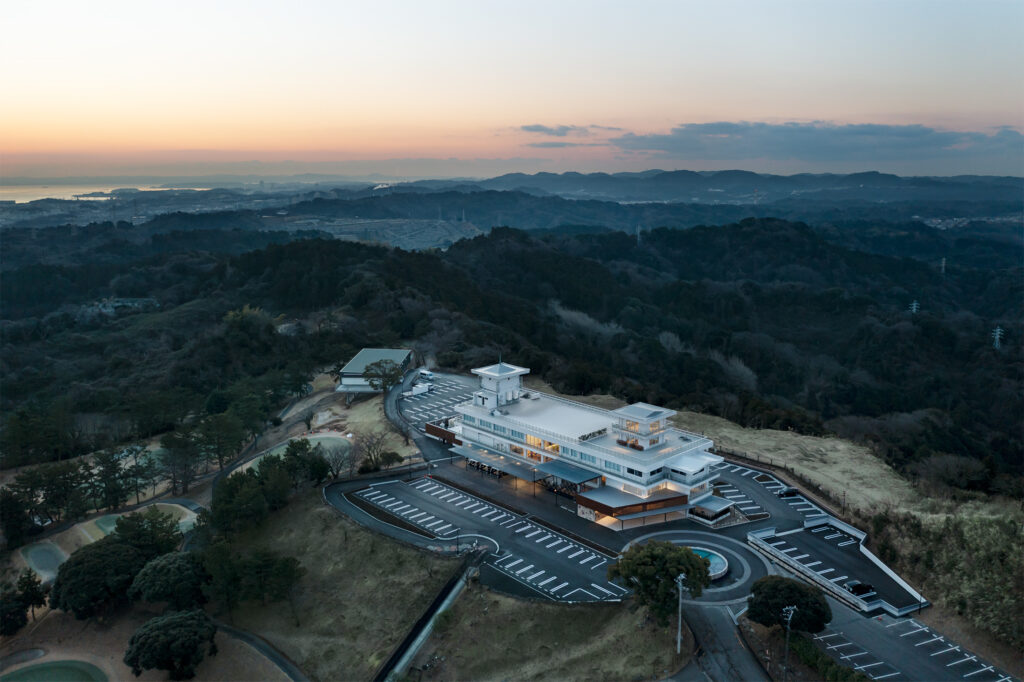
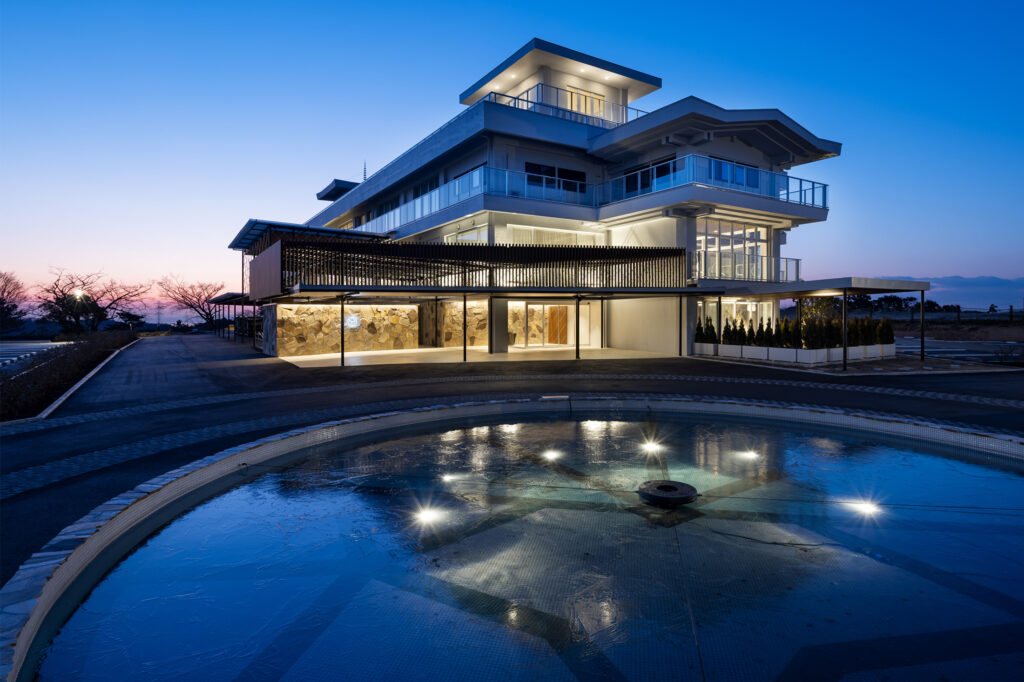
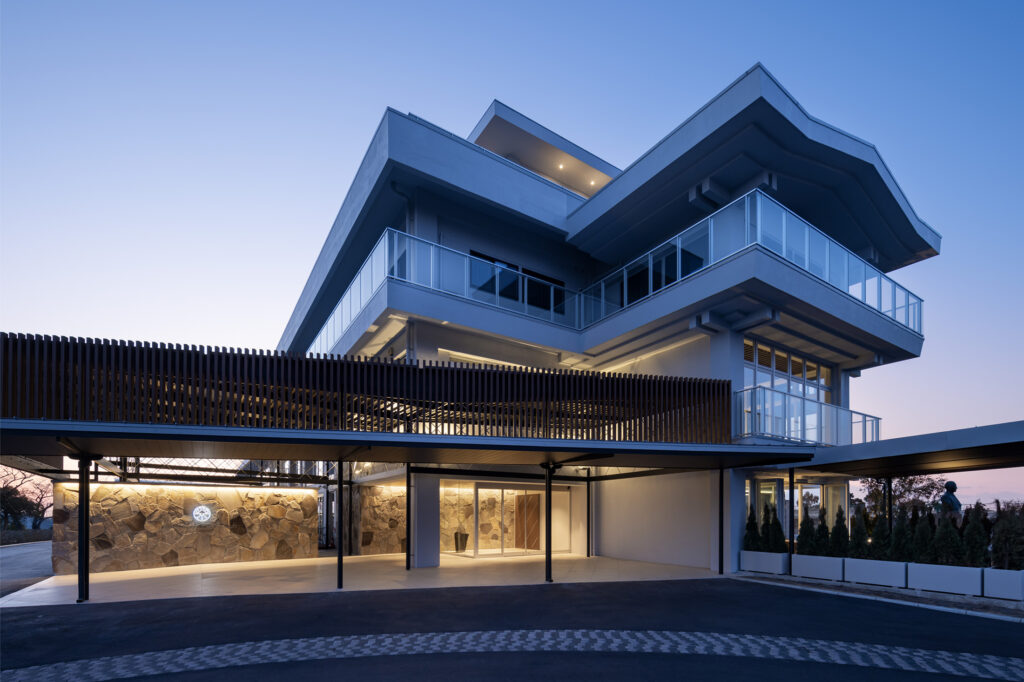
Renovation of a 55-year-old clubhouse of a prestigious members-only golf course, perched atop a hill with a 360° panoramic view. The design concept of the grand renewal is a place that offers new enjoyment beyond golf.
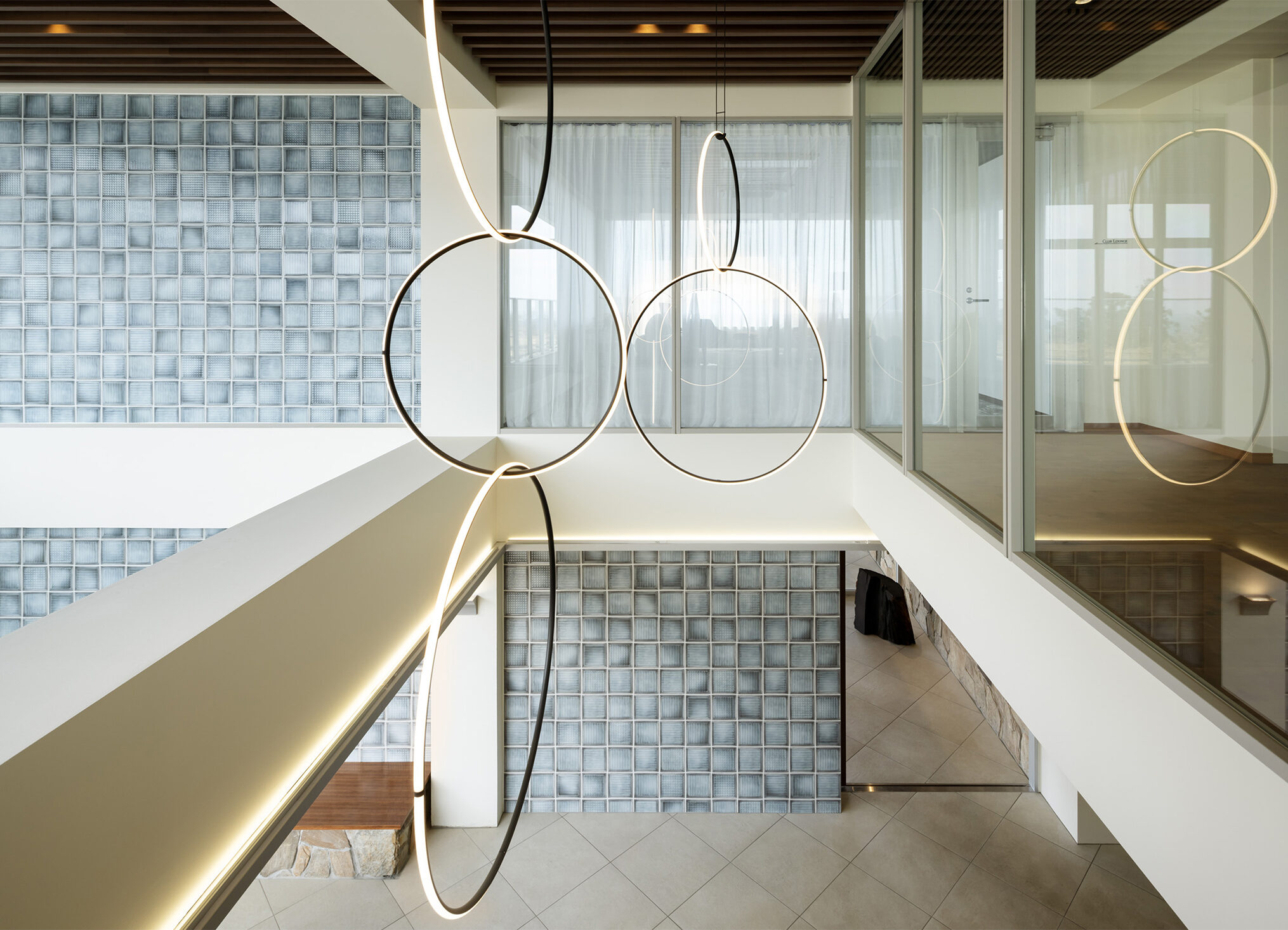
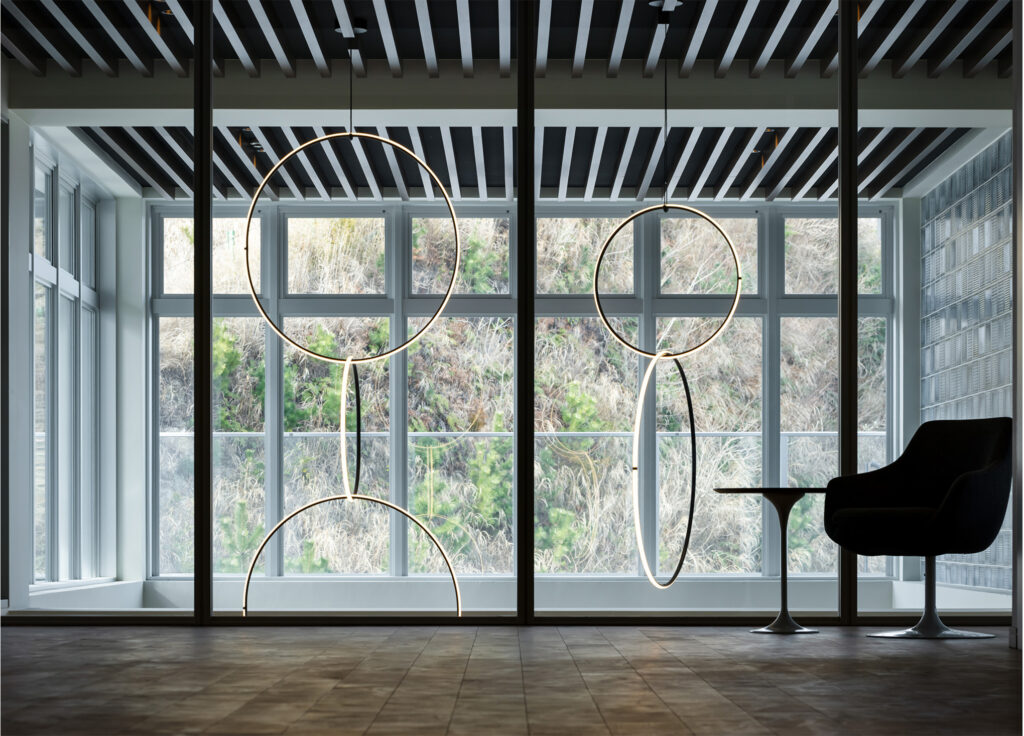
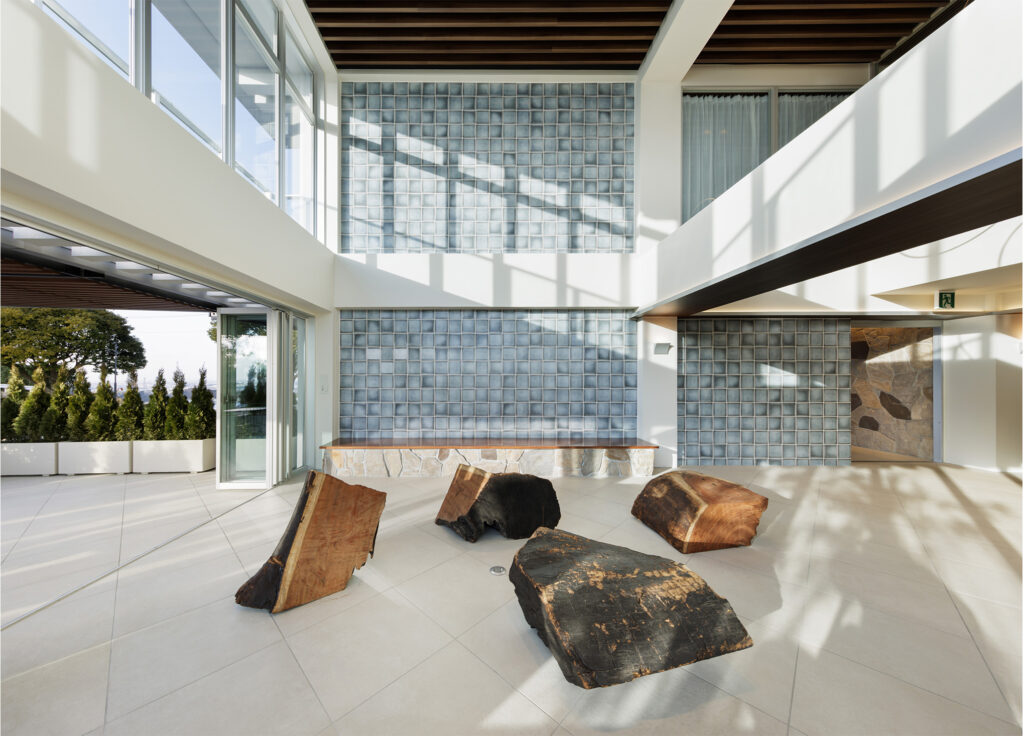
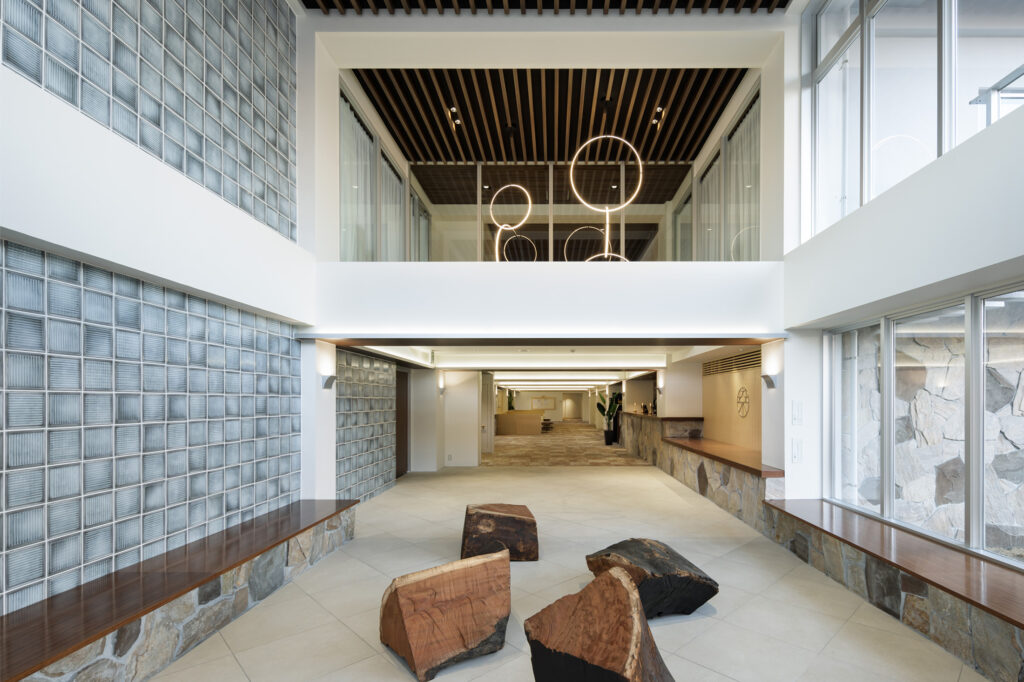
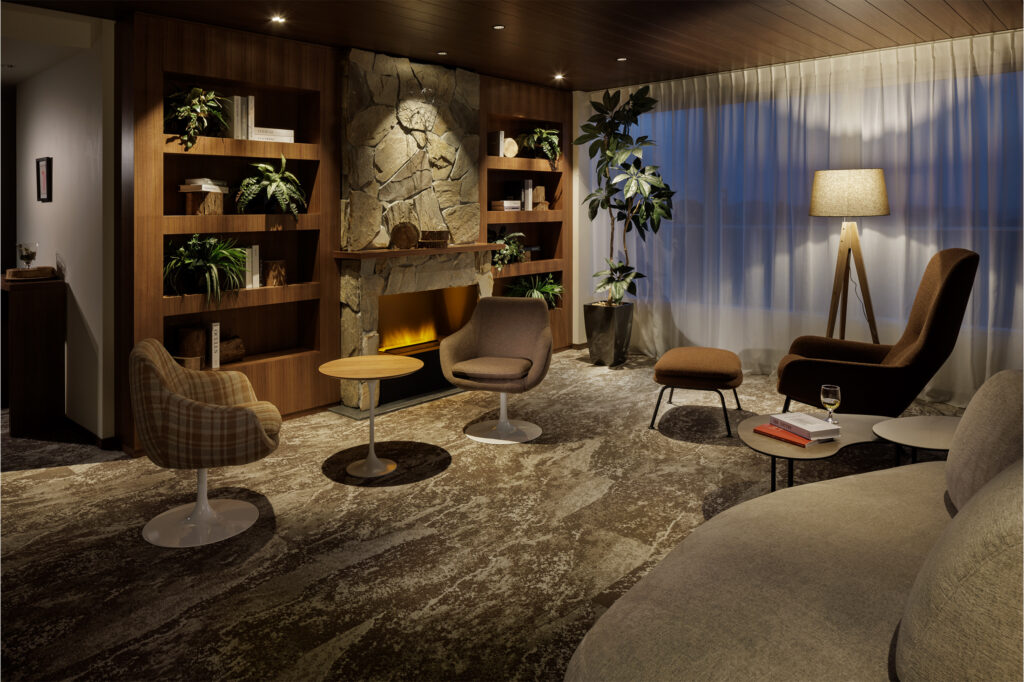
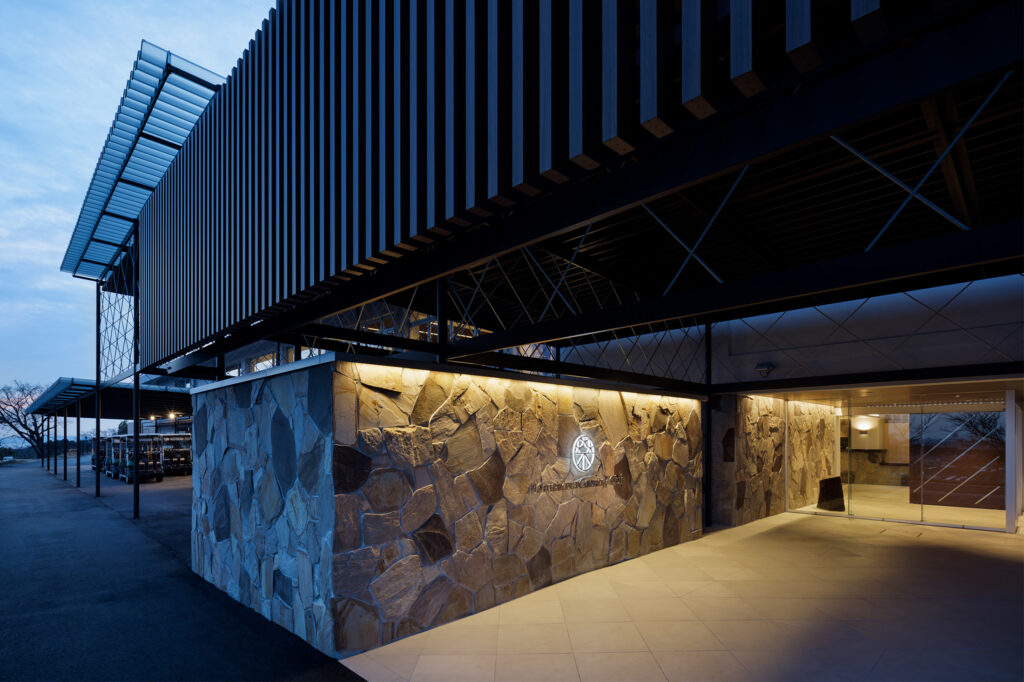
The design concept for the entire building is the “castle tower” dreamed up by the founder. Inheriting that history, the stone walls of the castle walls were newly interpreted as a design icon, incorporating masonry that connects the inside and outside. The contrast between the zelkova stump object symbolizing history and the minimalistic, futuristic chandelier creates a story in the huge atrium space that connects the past and the future.
Photo: Nacása & Partners Inc.
From:
A’DESIGN AWARDS Design+Encyclopedia
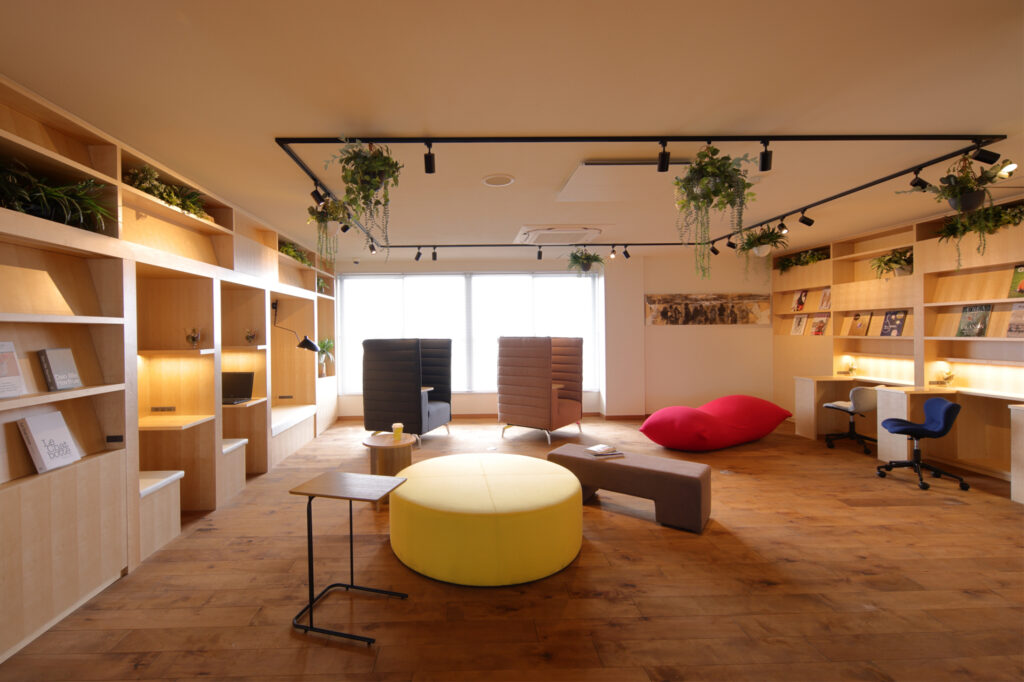
Kamakura Golf Club House is an award-winning interior space and exhibition design project that represents a comprehensive renewal of a golf course clubhouse facility situated atop a hill in Kamakura City, Kanagawa Prefecture, Japan, completed between March 2021 and January 2023 under the creative direction of designer Hijung Kasuya. The architectural intervention embodies the conceptual framework of "Third Place," a design philosophy that positions the clubhouse as an extension of members' enriched daily lives, transcending the traditional binary of home and workplace to create a multifunctional environment that integrates recreational, professional, and contemplative activities within a naturalistic setting overlooking the Shonan Sea and extending views toward Yokohama City. The design approach fundamentally reimagines the conventional golf clubhouse typology by introducing facilities that accommodate contemporary lifestyle patterns, including Japan's first mobile workplace within a golf club context, enabling members to seamlessly transition between professional obligations and recreational pursuits, thereby addressing the evolving demands of work-life integration that became particularly pronounced during the global pandemic period. The architectural language of Kamakura Golf Club House draws inspiration from the historical and cultural context of Kamakura as an ancient capital, manifesting through the incorporation of castle-inspired design elements, most notably the construction of substantial stone walls that serve as both exterior facade treatment and interior spatial dividers, creating a powerful design icon that bridges the distinction between outside and inside while honoring the founding spirit established when the original clubhouse was conceived in 1968 with motifs referencing castle keeps associated with the region's historical narrative. The interior spatial organization across the first and second floors, encompassing a total renovation area of 1,320 square meters, strategically distributes programmatic elements to optimize both functional efficiency and experiential quality, with the second floor accommodating a fitness room equipped with professional-grade exercise facilities, a restaurant offering dining experiences enhanced by panoramic vistas, a premium lounge designed for social interaction and relaxation, and flexible spaces suitable for activities ranging from focused reading to remote work execution, all conceived to enrich club life beyond the conventional parameters of golf-centric programming. A particularly distinctive feature of the design involves the preservation and recontextualization of a large zelkova tree stump, originally part of the course site's natural landscape, which has been boldly sectioned and positioned within the atrium space as an sculptural object reminiscent of Japanese garden aesthetics, creating a narrative tension between historical continuity and contemporary intervention through its juxtaposition with minimalist chandelier elements that emphasize the dialogue between past and future, tradition and innovation. The technical infrastructure supporting Kamakura Golf Club House demonstrates a commitment to environmental sustainability and operational resilience through the installation of an extensive underground water distillation system that sources natural groundwater for all facility uses, from beverage service to restroom facilities, representing a significant capital investment that ensures water security given the hilltop location's vulnerability to supply interruptions while simultaneously reducing dependence on municipal water systems. The material palette and construction methodology reflect meticulous attention to craft and authenticity, particularly evident in the procurement and installation of masonry stone elements that required patient negotiation with specialized stone masons during the challenging circumstances of the coronavirus pandemic, overcoming both logistical complications and technical difficulties in construction to achieve the desired aesthetic effect of substantial, castle-like walls that serve as the project's primary architectural signature. The design successfully addresses the contemporary phenomenon of remote work integration within recreational environments, providing members with sophisticated infrastructure including dedicated study rooms and technology-enabled workspaces that facilitate professional productivity while maintaining proximity to golf facilities, thereby enabling novel patterns of time utilization wherein work intervals can punctuate golf rounds and vice versa, fundamentally expanding the temporal and functional possibilities of clubhouse occupation beyond traditional models predicated on discrete, time-bounded visits. The spatial experience orchestrated throughout Kamakura Golf Club House emphasizes the creation of focal points and moments of visual drama, both in exterior presentations and interior sequences, employing the stone wall elements as recurring motifs that establish design continuity while the preserved zelkova stump serves as a contemplative anchor within the circulation system, encouraging pause and reflection within the otherwise active programmatic flow. The rooftop terrace extends the usable area of the facility while capitalizing on the elevated site position to provide unobstructed views of the surrounding landscape, creating an outdoor room that complements the interior spaces and reinforces the connection between built environment and natural context that forms a central tenet of the design concept. The project's recognition with the Bronze A' Design Award in the Interior Space, Retail and Exhibition Design category in 2025 acknowledges the design's successful integration of creativity, practicality, and innovative material application, affirming its contribution to advancing standards within the interior design discipline through thoughtful development that effectively balances formal expression with functional performance. The achievement represents validation of the designer's ability to synthesize multiple programmatic requirements, contextual considerations, and aesthetic ambitions into a cohesive architectural statement that enhances quality of life for club members while establishing new paradigms for golf clubhouse design in the twenty-first century. Kamakura Golf Club House ultimately exemplifies how interior design can transform institutional typologies by introducing contemporary lifestyle accommodations, respecting historical and cultural contexts, implementing sustainable infrastructure systems, and creating spaces that support diverse activities and temporal patterns, thereby expanding the definition of what a golf clubhouse can be and how it can serve its community beyond the narrow confines of sport-specific programming to become a genuine third place that enriches daily existence through its integration of nature, recreation, work, and contemplation within a carefully crafted architectural framework.
Author: Adam Dawson
https://competition.adesignaward.com/163062